
Affiliate Marketing for Beginners: What Separates Beginners From $10K/Month Affiliates?
Affiliate marketing for beginners often looks simple from the outside.
You find a product.
You grab your affiliate link.
You create content or run ads.
Someone clicks, buys, and you earn a commission.
That is how many beginners understand affiliate marketing.
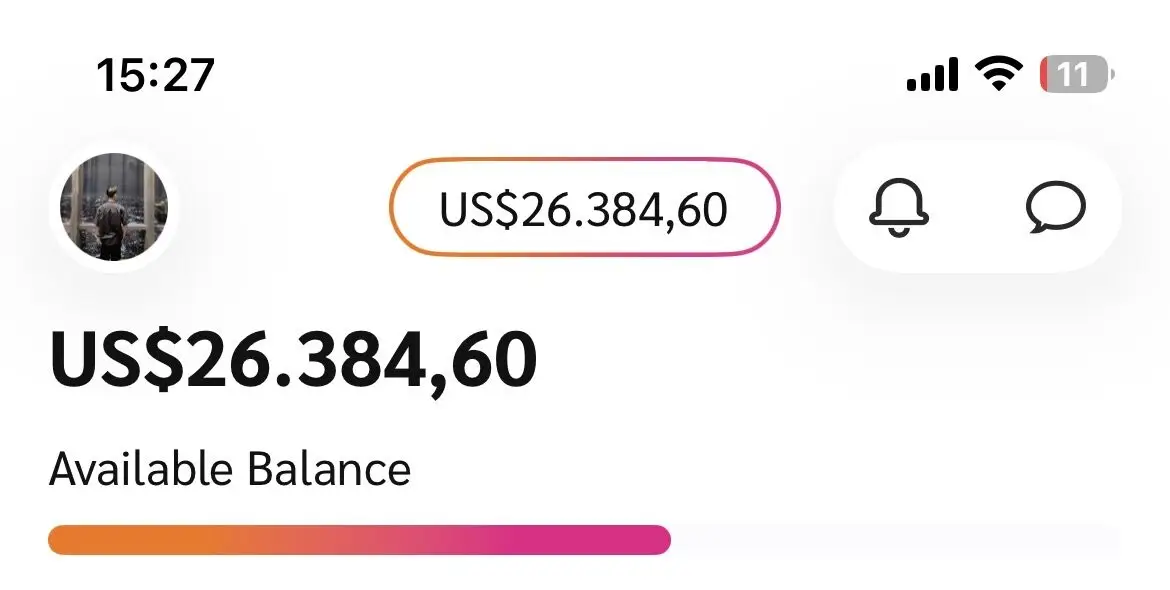
But from my own experience generating more than $10,000 per month in affiliate commissions, I have learned that the real game is much deeper than that.
The biggest difference between a beginner affiliate marketer and someone operating at a higher level is not just who knows more tools, who runs better ads, or who finds higher-paying offers.
The biggest difference is mindset.
Most beginners see affiliate marketing as a quick way to make sales. They focus on links, commissions, clicks, and short-term results.
But if you want to build a long-term affiliate business, you need to think differently. You need to choose the right market, build an operating system, create trust, improve conversion, track real data, build digital assets, and develop stronger relationships with brands.
A beginner affiliate usually asks:
“How can I get sales as fast as possible?”
A higher-level affiliate asks:
“How can I build a system that creates repeatable sales, increases trust, improves my leverage with brands, and becomes stronger over time?”
That is a very different way of thinking.
This guide breaks down what separates affiliate marketing beginners from affiliates who are able to build consistent, scalable income.
1. Beginners Chase Sales. Pros Build Affiliate Marketing Systems.
Most affiliate marketing beginners operate with a short-term mindset.
They see a product with a high commission and rush to promote it. They see someone else reviewing a tool and copy the same topic. They see a trend and create content around it. They find a new offer and immediately start pushing the link.
That approach may create a few sales, but it is very hard to build something sustainable that way.
Professional affiliate marketers do not just chase one sale at a time. They build an affiliate marketing system that can create repeatable revenue.
That system is not just a website or a few random blog posts. It is the way you connect multiple parts together:
- Traffic sources
- Pre-sell content
- Conversion funnels
- Tracking data
- Optimization process
- Scaling plan
When this system works, you are no longer doing affiliate marketing by simply posting links and hoping someone buys.
You know where your traffic is coming from.
You know what stage the customer is in.
You know which content creates clicks.
You know which landing page converts.
You know which campaign is worth scaling.
In simple terms, beginners only look at individual actions: posting content, running ads, placing links, and waiting for sales.
Professional affiliates look at the full process:
Traffic → Content → Trust → Click → Conversion → Tracking → Optimization → Scale
That is why they can improve each part of the system instead of relying on luck.
Beginners chase sales.
Pros build systems that make sales more predictable, more affordable, and more sustainable.
If you do not have an affiliate website yet, it is one of the first digital assets worth building. You can read this guide on how to build an affiliate marketing website with AI here: https://bestainetwork.com/build-affiliate-marketing-website-with-ai/. It will help you get started faster, even if you are not a developer.
2. Beginners Choose Affiliate Products Based on Commission. Pros Choose Based on the Market.
One of the most common mistakes in affiliate marketing for beginners is choosing a product only because the commission looks attractive.
For example, a beginner may see an offer paying 50%, 70%, or a few hundred dollars per sale and immediately think it must be a great product to promote.
But a high commission does not always mean easy money.
If the market has weak demand, the brand has low trust, the sales page does not convert, or the customer does not have a strong enough pain point, then a high commission does not mean much.
Professional affiliates evaluate products differently.
They ask questions like:
- Is there real market demand?
- Does the customer have a strong pain point?
- Does the product solve a clear problem?
- Is the brand trustworthy?
- Does the sales page convert well?
- Is there search demand?
- Can this product work with SEO?
- Can this product work with paid ads?
- Are there enough content angles to explore?
- Can this offer scale long term?
A beginner asks:
“How much commission does this product pay?”
A professional asks:
“Can I build a traffic, trust, conversion, and tracking system around this product?”
That is the core difference.
In affiliate marketing, the best product is not always the one with the highest commission. The best product is the one you can build a real business system around.
3. Beginners Sell Products. Pros Sell Outcomes.
Beginners often focus on product features.
For example:
- “This is a great AI tool.”
- “This tool has many useful features.”
- “You can use this tool to build an app.”
- “This software is easy to use.”
These statements are not wrong, but they are not powerful enough.
Customers do not buy a product just because it has many features. They buy because they believe the product can help them achieve a specific outcome.
Great affiliate marketers do not just sell products. They sell outcomes.
For example, with an AI app builder:
A beginner might write:
“Lovable is an AI app builder that helps you create apps with prompts.”
A professional would write:
“Lovable helps founders, freelancers, and marketers turn ideas into MVPs faster, test the market earlier, and reduce the upfront cost of hiring developers.”
That is a different angle.
Beginners talk about features.
Pros talk about outcomes.
Customers do not care that much about how many features a tool has. They care about whether it can help them save time, make more money, reduce costs, increase productivity, or solve a painful problem.
If you want to improve your affiliate marketing results, stop asking only:
“What does this product do?”
Start asking:
“What result does this product help the customer achieve?”
That shift alone can make your content, ads, and landing pages much stronger.
4. Beginners Focus on Traffic. Pros Build Conversion Funnels.
Many beginners think affiliate marketing is simple:
Post a link → someone clicks → someone buys → you earn a commission.
But at a higher level, affiliate marketing is a funnel.
That funnel can look like this:
Traffic → Content → Trust → Bridge Page → Affiliate Link → Offer Page → Conversion → Tracking → Optimization → Scale
Beginners usually focus on getting more clicks.
Pros focus on the quality of those clicks.
They ask:
- Is this the right audience?
- Does this person have the right intent?
- Did the content build enough trust before the click?
- Is the CTA clear?
- Does the offer page convert?
- Where did the sale actually come from?
Instead of sending users directly to an affiliate link, a professional affiliate may send them through:
- A detailed review
- A product comparison
- A tutorial
- A bridge page
- A landing page for a specific audience
- A case study
- A curated list of top tools for a specific use case
The reason is simple: customers often need education before they buy.
In this part of the funnel, your website, blog, and bridge pages act as conversion assets. They help build trust, handle objections, and make the customer more ready to buy before clicking through to the brand’s website.
Beginners optimize for clicks.
Pros optimize for conversions.
This is one of the biggest lessons in affiliate marketing for beginners: traffic alone is not enough. You need the right traffic, the right message, and the right conversion path.
5. Beginners Create Random Content. Pros Build a Content Ecosystem.
Beginners often create content based on inspiration.
- Today they review a tool.
- Tomorrow they follow a trend.
- Next week they copy a comparison topic they saw somewhere else.
This makes the content feel random, scattered, and hard to scale.
Professional affiliates build content in clusters, around the funnel, and based on search intent.
For example, if you promote AI app builders, you should not only write one article like “Lovable Review.” You could build an entire content ecosystem around the topic:
- Best AI App Builders
- Lovable Review
- Base44 Review
- Lovable vs Base44
- How to Build an App with Lovable
- How to Build an App with Base44
- AI App Builder for Non-Technical Founders
- Best No-Code Tools for Startup Founders
- How to Build a SaaS MVP Without Coding
- Lovable Pricing
- Base44 Pricing
- Lovable Alternatives
- Base44 Alternatives
- Best AI Tools for Freelancers
- Best AI Tools for Online Business Owners
Each piece of content has a different role.
- Some articles bring in top-of-funnel traffic.
- Some educate the market.
- Some compare solutions.
- Some help close the sale.
- Some support retargeting or email marketing.
Beginners create scattered content.
Pros build a content ecosystem.
For affiliate marketing beginners, this is a major shift. Instead of asking, “What should I post today?” ask, “What content ecosystem can I build around this niche?”
6. Beginners Ignore Search Intent. Pros Match the Buyer’s Stage.
Not every keyword with high search volume is valuable.
A keyword can have a lot of searches but very weak buying intent. On the other hand, a smaller keyword with stronger commercial intent can drive much better conversions.
For example:
- “What is AI?” may have a lot of search volume, but the person may only be curious.
- “Best AI app builder” has stronger commercial intent because the user is looking for a solution.
- “Lovable vs Base44” has even stronger comparison intent because the user is likely deciding between two options.
- “Lovable pricing” or “Base44 pricing” may be even closer to the buying stage.
Professional affiliates understand that not all traffic has the same value.
They classify intent into different stages:
- Informational intent: the user is learning.
- Commercial intent: the user is comparing options.
- Transactional intent: the user is close to making a decision.
- Brand intent: the user already knows the brand and wants more information before buying.
Beginners chase high volume.
Pros chase strong intent.
Affiliate marketing does not just need more visitors. It needs the right visitors, at the right time, with the right problem.
This is especially important if you want to build an affiliate marketing website. A low-volume keyword with strong buying intent can sometimes be more profitable than a high-volume keyword with weak intent.
7. Beginners Do Not Track Deeply. Pros Track Everything That Matters.
This is one of the biggest differences between beginners and serious affiliate marketers.
Beginners often only look at the affiliate network dashboard and check total clicks, total sales, and total commissions.
But they do not know where the sale actually came from.
- Did the sale come from a blog post?
- Did it come from a video?
- Did it come from a campaign?
- Did it come from a specific ad?
- Did it come from a specific audience?
- Did it come from a landing page?
- Did it come from a specific angle?
- Did it come from a keyword?
- Did it come from a specific traffic source?
If you cannot answer these questions, it is very hard to scale.
For SEO, tracking helps you understand which articles generate real revenue, not just traffic.
For paid ads, tracking is even more important. If you run Facebook Ads or TikTok Ads without SubIDs, click IDs, campaign IDs, ad IDs, or postback tracking, you will not know which ads are creating real conversions.
Without data, you scale based on feelings.
With data, you scale based on truth.
Beginners look at total revenue.
Pros look at unit economics by traffic source.
If you are learning affiliate marketing for beginners, tracking may sound advanced at first. But the sooner you understand tracking, the faster you can stop guessing and start optimizing based on real data.
8. Beginners Test Emotionally. Pros Test Systematically.
Beginners often test based on emotion.
- They see a product they like and run ads.
- They stop too early when there is no sale.
- They think cheap clicks mean the campaign is winning.
- They panic when CPM is high.
- They scale too fast after one sale.
Professional affiliates test based on hypotheses.
Before testing, they know what they are trying to validate:
- Product?
- Market?
- Pain point?
- Hook?
- Creative?
- Landing page?
- Offer?
- Audience?
- Angle?
- Funnel?
For example, when running Facebook Ads for an affiliate product, a strong affiliate does not test only one ad.
They may test:
- 3 different pain points
- 3 different hooks
- 3 different creatives
- 2 different bridge pages
- 2 different CTAs
- Broad audience vs interest audience
- Different messages for different customer segments
But they do not test forever.
They use clear stopping and scaling rules based on data such as CTR, CPC, click quality, conversion rate, EPC, CPA, ROAS, or trial/sign-up signals.
Beginners test and hope.
Pros test, learn, and optimize.
This is a key part of a real affiliate marketing strategy. You are not testing just to see if you get lucky. You are testing to learn what works, remove what does not, and scale what the data supports.
9. Beginners Depend on One Channel. Pros Build Multiple Layers of Traffic.
Many beginners rely completely on one channel.
- Only Facebook Ads.
- Only TikTok.
- Only SEO.
- Only a personal Facebook profile.
- Only one traffic source.
That is risky.
- Ad accounts can get disabled.
- Social algorithms can change.
- SEO can be affected by updates.
- Brands can change affiliate terms.
- A channel that works today may weaken tomorrow.
Professional affiliates build multiple layers of traffic.
- SEO creates long-term traffic.
- Paid ads help test and scale faster.
- Short-form video creates demand.
- YouTube builds long-term trust.
- Email lists support remarketing.
- Retargeting brings back warm audiences.
- Personal branding increases trust.
- A website acts as the central conversion hub.
When multiple channels work together, you are no longer fully dependent on one platform.
Beginners chase traffic.
Pros build distribution assets.
For affiliate marketing beginners, this does not mean you need to master every channel at once. It means you should avoid building your entire business on one traffic source forever.
10. Beginners Copy Others. Pros Have Clear Positioning.
A common beginner mistake is doing exactly what everyone else is doing.
- Someone reviews AI tools, so they build another generic AI tools website.
- Someone creates “best software” content, so they do the same.
- Someone uses a certain angle, so they copy it.
But affiliate marketing is becoming more competitive. If you do not have clear positioning, you become just another website or content channel that looks like everyone else.
Professional affiliates choose a sharper position.
Instead of targeting “AI tools,” you could focus on:
- AI tools for freelancers
- AI tools for affiliate marketers
- AI app builders for non-technical founders
- AI tools for small business owners
- No-code tools for ecommerce businesses
- AI productivity tools for content creators
- AI tools for digital marketers
The clearer your positioning, the easier it is to create content, attract the right audience, and improve conversions.
Beginners create content for everyone.
Pros become a trusted source for a specific audience.
If you want to stand out, do not try to be the best affiliate site for everyone. Try to become the most useful resource for a specific audience with a specific problem.
11. Beginners Create and Lose. Pros Accumulate Digital Assets.
This is extremely important.
Beginners often think only about how to get a sale today. Professional affiliates think about how to build assets that can create value over time.
The difference is this:
A beginner’s action often disappears quickly.
A social post fades.
An ad campaign stops.
A trend dies.
A short-term promotion ends.
But strong affiliates try to turn everything they do into an asset that compounds.
In affiliate marketing, assets are not just cash.
Assets can include:
- A website with traffic
- SEO articles that rank
- An email list
- Pixel data
- Tracking data
- A YouTube channel
- A TikTok channel
- A trusted personal brand
- Optimized landing pages
- Paid ads case studies
- Relationships with affiliate managers
- A professional media kit
- Authority in a specific niche
When you have these assets, you do not need to start from zero every time you promote a new product.
You already have traffic.
You already have an audience.
You already have trust.
You already have data.
You already have tracking.
You already have content.
You already have a website to show brands.
That is why asset-building is completely different from short-term commission hunting.
A Website Is a Conversion Asset
Many beginners think a website is only for publishing SEO articles or placing affiliate links.
But for a professional affiliate, a website is where you educate the customer, build trust, handle objections, and increase conversion before the customer clicks through to the brand.
A strong affiliate website can include:
- Reviews
- Comparisons
- Tutorials
- Case studies
- Bridge pages
- Landing pages
- Curated top-tool lists for specific use cases
When customers are better educated, they click your affiliate link with more trust and stronger buying intent.
That is why a website is not just a place to put links. It is a conversion asset.
A practical first step is to build an affiliate website as the center of your content, tracking, and conversion system. If you want to launch faster with AI, you can follow this guide: https://bestainetwork.com/build-affiliate-marketing-website-with-ai/.
A Website Helps You Earn Trust With Bigger Brands
A website does not only improve conversion with customers. It also improves your credibility with brands.
When you apply to work with a larger brand, they may evaluate several things:
- Do you have a website?
- Does it look professional?
- Is your content relevant to their product?
- Do you have real traffic?
- Is your audience a good fit?
- Can you bring quality customers?
- Do you create serious content?
- Are you building a real media asset?
If you only have a small social profile or simply say you will promote the product, the brand may not trust you enough.
But if you have a professional affiliate website with reviews, comparisons, tutorials, real traffic, and content that matches the right audience, your position changes.
You are no longer just someone asking for an affiliate link.
You become a media partner.
You become a distribution channel.
You become a partner who can bring new customers to the brand.
That is why a website can help you get approved by bigger brands more easily.
Over time, if you can generate real sales, you may also be able to negotiate:
- Higher commission
- Longer cookie duration
- Exclusive coupon codes
- Dedicated landing pages
- Exclusive deals
- Special bonuses for your audience
- Content support from the brand
- Co-marketing campaigns
Website and Content Can Work for You 24/7
One of the biggest advantages of digital assets is that they can keep working.
- A strong article can bring traffic for months or years.
- A comparison article can convert people who are close to making a decision.
- A tutorial can help readers understand the product and click with more trust.
- A bridge page can improve conversion for paid ads.
- A strong website can help you get approved by bigger brands.
- A case study can help you promote more products in the same niche.
You cannot be online 24/7.
You cannot personally talk to every potential customer.
You cannot publish new content every hour.
But your digital assets can keep working.
Beginners earn from individual posts.
Pros build a system of assets that can generate repeatable revenue, even when they are not online.
12. Beginners Optimize for the First Sale. Pros Think About LTV and Long-Term Partnerships.
At a higher level, affiliate marketers do not only care about the first sale.
They care about customer quality and long-term value.
They ask:
- Does the product offer recurring commission?
- Do users stay after signing up?
- Does the brand have upsells?
- Is the customer lifetime value strong?
- Does the brand pay commissions reliably?
- Is the affiliate manager supportive?
- Is there an opportunity for a deeper partnership?
A beginner usually asks:
“How much money can I make from this sale?”
A professional asks:
“Is this customer valuable long term? Is this brand worth building assets around? If I bring them quality customers, can I negotiate a better deal?”
That is partnership thinking, not just commission thinking.
Many affiliate marketing beginners focus only on the first commission. But advanced affiliates think about customer quality, recurring revenue, brand relationships, and long-term leverage.
13. The Real Difference: How You See Affiliate Marketing
Affiliate beginners see affiliate marketing as a way to earn commissions.
Professional affiliates see affiliate marketing as a business model built around operating systems, digital assets, data, distribution, and brand partnerships.
A beginner asks:
“Does this product pay a high commission?”
A professional asks:
- “Is there real market demand?”
- “Does the customer have a strong pain point?”
- “Can I build a content ecosystem?”
- “Can I increase conversion with a website or bridge page?”
- “Can I track where sales come from?”
- “Can I scale traffic?”
- “Can I use this website to build trust with bigger brands?”
- “Am I building a long-term digital asset?”
That is the difference between doing affiliate marketing as a short-term hustle and building it like a real business.
Quick Comparison: Affiliate Marketing Beginners vs $10K/Month Affiliates
| Area | Affiliate Marketing Beginner | $10K/Month Affiliate |
|---|---|---|
| Mindset | Wants quick sales | Builds a business system |
| Product selection | Looks at commission | Looks at market, demand, brand, and conversion |
| Content | Creates randomly | Builds a content ecosystem |
| Website | Optional | A central asset for trust, conversion, and brand credibility |
| Traffic | Tries to get more clicks | Optimizes intent and traffic quality |
| Funnel | Sends users directly to affiliate links | Uses content, bridge pages, landing pages, and retargeting |
| Tracking | Checks total sales | Tracks source, campaign, ad, SubID, and EPC |
| Ads | Tests emotionally | Tests with hypotheses and data |
| Positioning | Copies others | Has clear niche positioning |
| Brand partnerships | Applies and waits | Builds credibility to get approved and negotiate |
| Assets | Does not accumulate much | Builds website, email list, pixel data, content, tracking, and case studies |
| Scaling | Increases budget emotionally | Scales based on real data |
Conclusion: Affiliate Marketing for Beginners Is Not Just About Getting Links
The biggest difference between an affiliate marketing beginner and someone making $10K/month is not just technical skill.
It is mindset.
Beginners chase sales.
Pros build systems.
Beginners drop links.
Pros build funnels.
Beginners look at commission.
Pros look at market, intent, conversion, and tracking.
Beginners create and lose.
Pros accumulate digital assets.
Beginners try to make money today.
Pros build systems that can generate revenue for months and years, even when they are not online.
If you want to build a long-term affiliate business, do not only ask:
“How can I get a sale?”
Ask:
- “What operating system am I building?”
- “What digital assets am I accumulating?”
- “Does this asset help me build trust?”
- “Does this asset improve conversion?”
- “Does this asset help me get approved by bigger brands?”
- “Does this asset help me create repeatable revenue?”
Once you start thinking this way, you are no longer doing affiliate marketing like a beginner.
You are building a real affiliate business.
Affiliate marketing beginners chase commissions. Professional affiliates build systems and assets that make commissions more consistent, more affordable, and more sustainable.